Ultrasound scan Johannesburg: what to expect
Last updated October 2026
What is an ultrasound scan?
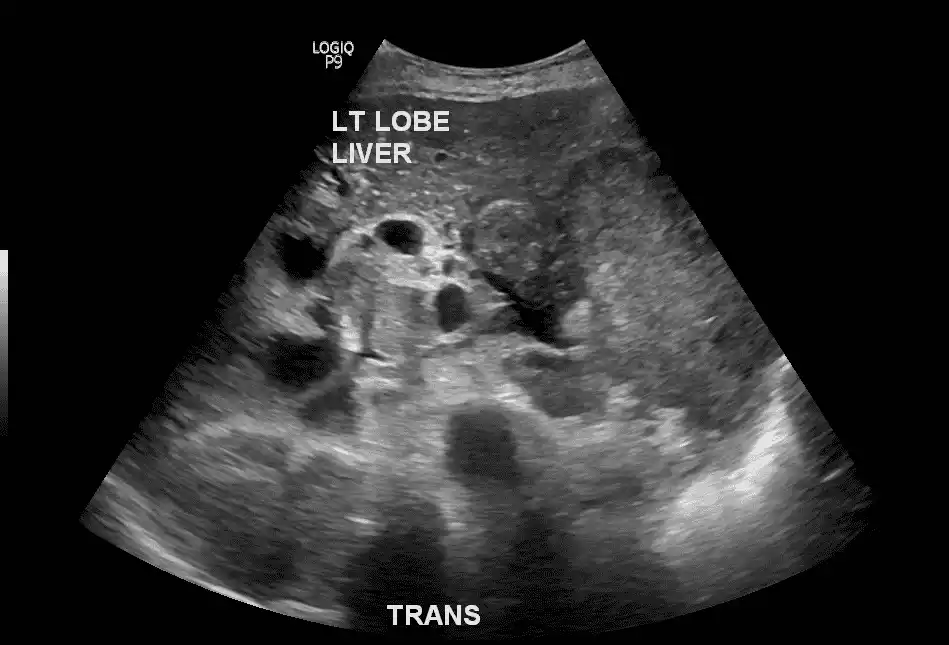
An ultrasound scan is a painless, safe procedure that uses high-frequency sound waves, not radiation, to create real-time images of organs and tissues inside the body. A probe sends sound waves in, they bounce back as echoes from structures of different densities, and the echoes become live images on a monitor.
At the Centre of Advanced Medicine in Waverley, Johannesburg, our specialist diagnostic radiologists assess the size, shape and consistency of organs and look for abnormalities.
What an ultrasound scan can show
| Area | What it helps assess |
|---|---|
| Abdomen | Liver, gallbladder and gallstones, pancreas, kidneys, spleen and bladder |
| Breast and thyroid | Whether a lump is solid or a fluid-filled cyst |
| Pelvis and gynaecology | The ovaries and pelvic organs |
| Blood vessels | Blood flow, vessel abnormalities and aneurysms |
| Testes and lymph nodes | Size, shape and consistency, to detect abnormalities |
| Muscles and joints | Tendons, muscles and soft tissue |
Doppler and duplex ultrasound
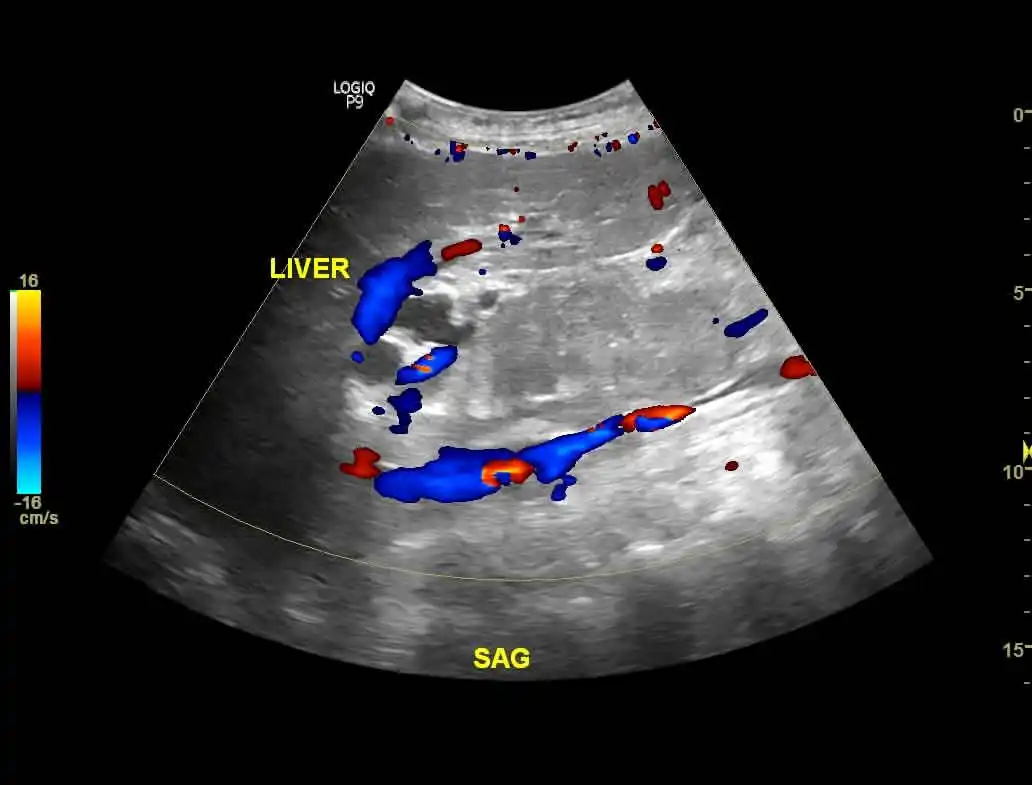
Colour Doppler shows blood flow as colour on the image. A duplex ultrasound combines standard imaging of a blood vessel with Doppler measurement of the flow. Together they help assess veins and arteries and detect aneurysms and other vessel abnormalities.
Breast ultrasound and mammograms
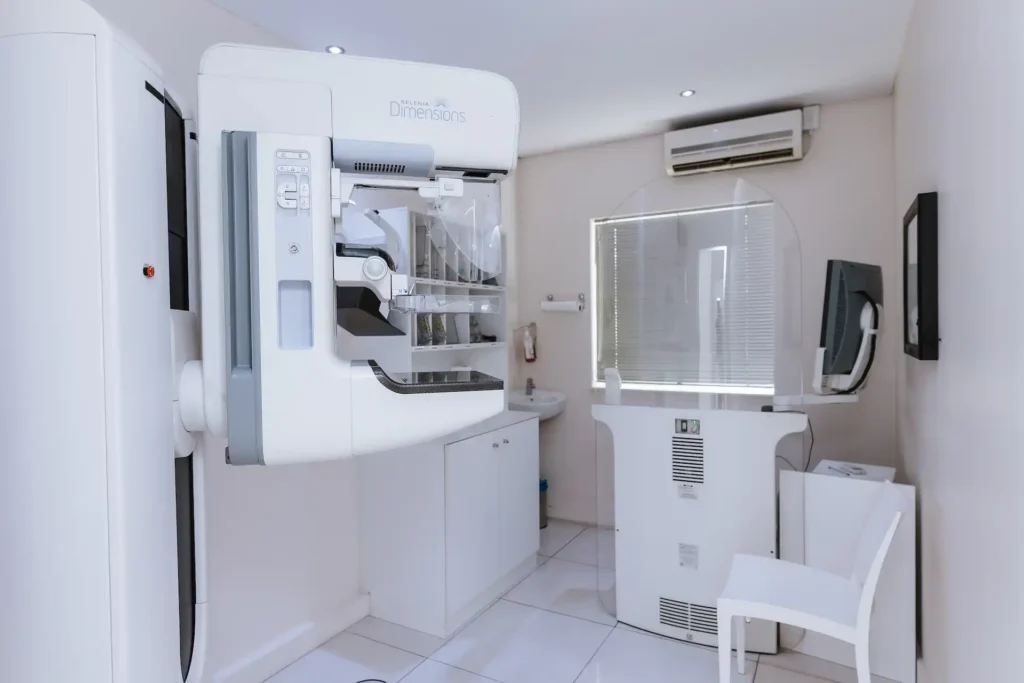
Mammography is the main screening tool for breast cancer. Breast ultrasound is complementary. It is often used for younger women, for dense breasts, or to investigate a lump. We offer both, so you can see the same team.
If you pay cash, our quoted price for a breast ultrasound includes your consultation.
Preparing for your ultrasound
Preparation depends on the area being scanned. Some scans need fasting or a full bladder. We will tell you exactly what to do when you contact us. Bring your doctor's referral and your medical aid details.
Visit us in Waverley, Johannesburg
We are at 13 Scott Street, Waverley, Johannesburg, 2090. Opening hours are Monday to Friday, 7:30 am to 5 pm. We are closed on Saturday and Sunday. We submit to your medical aid.