Bone density test Johannesburg: what to know
Last updated October 2026
What is a bone density test?
A bone density test measures how much mineral your bones contain. The standard method is a DXA scan, the gold standard for early detection of low bone mass. At the Centre of Advanced Medicine in Waverley, Johannesburg, a DXA scan is reported by our specialist diagnostic radiologists.
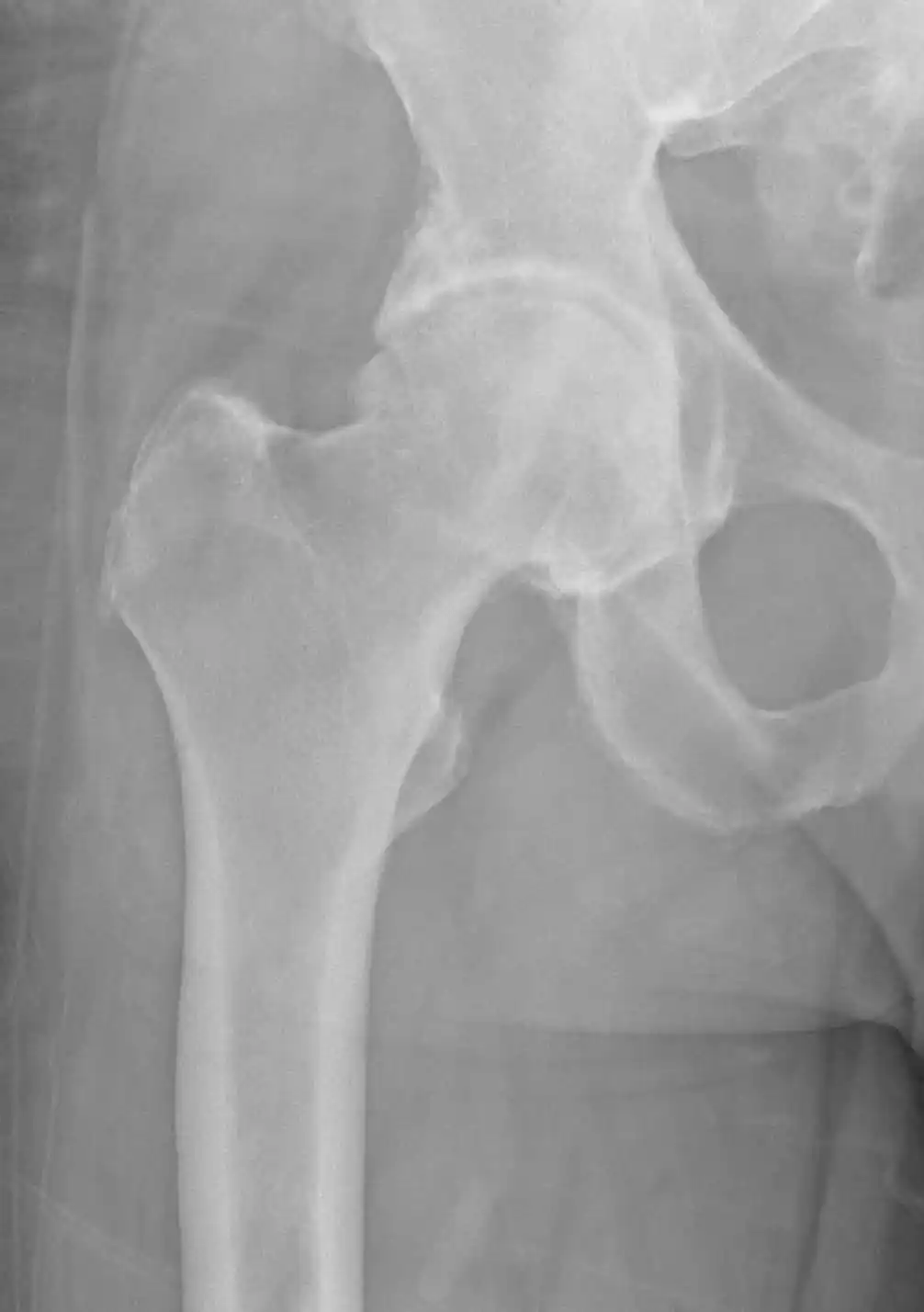
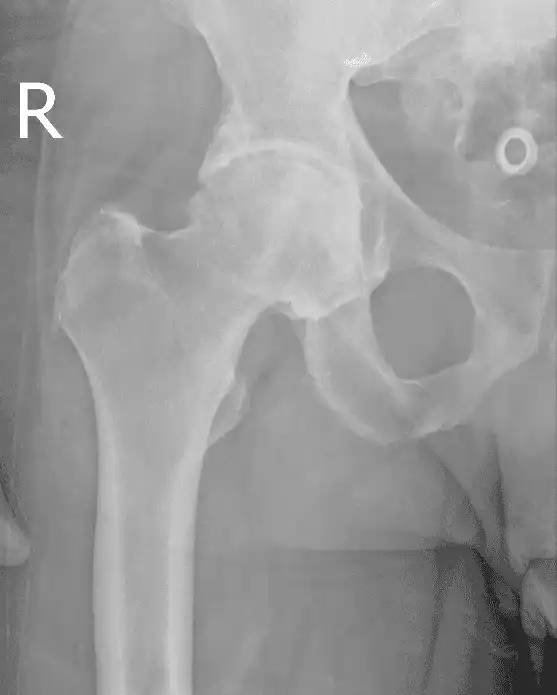
Osteoporosis is often called the silent disease. It develops without symptoms, and the first sign is frequently an unexpected fracture of the spine, wrist or hip. A bone density test finds the problem before that happens.
Who should have a bone density test?
- Women after menopause
- People with a family history of osteoporosis
- Anyone who has had a previous fracture
- Long-term users of certain medications
- People who smoke, drink heavily, eat poorly or are inactive
Speak to your doctor about whether a scan is right for you.
What your scan includes
- A DXA bone mineral density scan
- A vertebral fracture assessment of the spine, to find fractures that cause no symptoms
- A FRAX score, which estimates your ten-year fracture risk
- A specialist radiologist's report
All of this is completed in a single visit.
Understanding your T-score
Your report compares your bone density with that of a healthy young adult. This is your T-score.
| T-score | What it means |
|---|---|
| -1.0 or above | Normal bone density |
| Between -1.0 and -2.5 | Low bone mass (osteopenia) |
| -2.5 or below | Osteoporosis |
Your doctor interprets the result alongside your other risk factors.
Keeping your bones strong
Bone health peaks in your early 20s, and bone loss from mid-adulthood is natural. It can be managed. A calcium-rich diet, enough vitamin D and regular weight-bearing exercise help throughout life, and smoking and excessive alcohol accelerate bone loss. If low bone density is found, your doctor can recommend therapies that slow bone loss and reduce fracture risk.
Medical aid and payment
We submit your scan to your medical aid. If you pay cash, our quoted price includes your consultation. WhatsApp us on 072 647 7630 or call 011 440 7877 for a quote.
Visit us in Waverley, Johannesburg
We are at 13 Scott Street, Waverley, Johannesburg, 2090. Opening hours are Monday to Friday, 7:30 am to 5 pm. We are closed on Saturday and Sunday.